
Guides
4 min readUpdated
Seven details to discuss before ordering a new door, from the condition of the opening to glass, hardware and weather sealing.
At a glance
- Check the frame and opening before choosing a replacement door.
- Materials, glazing, hardware and seals all affect the finished job.
- Final measurements and the installation scope should be confirmed on site.
Choosing a new door involves more than its colour and style. The existing opening, frame, glass, hardware and installation all affect the result. These seven checks can help you compare options and understand the proposed work before you order.
1. The rough opening matters more than the door itself
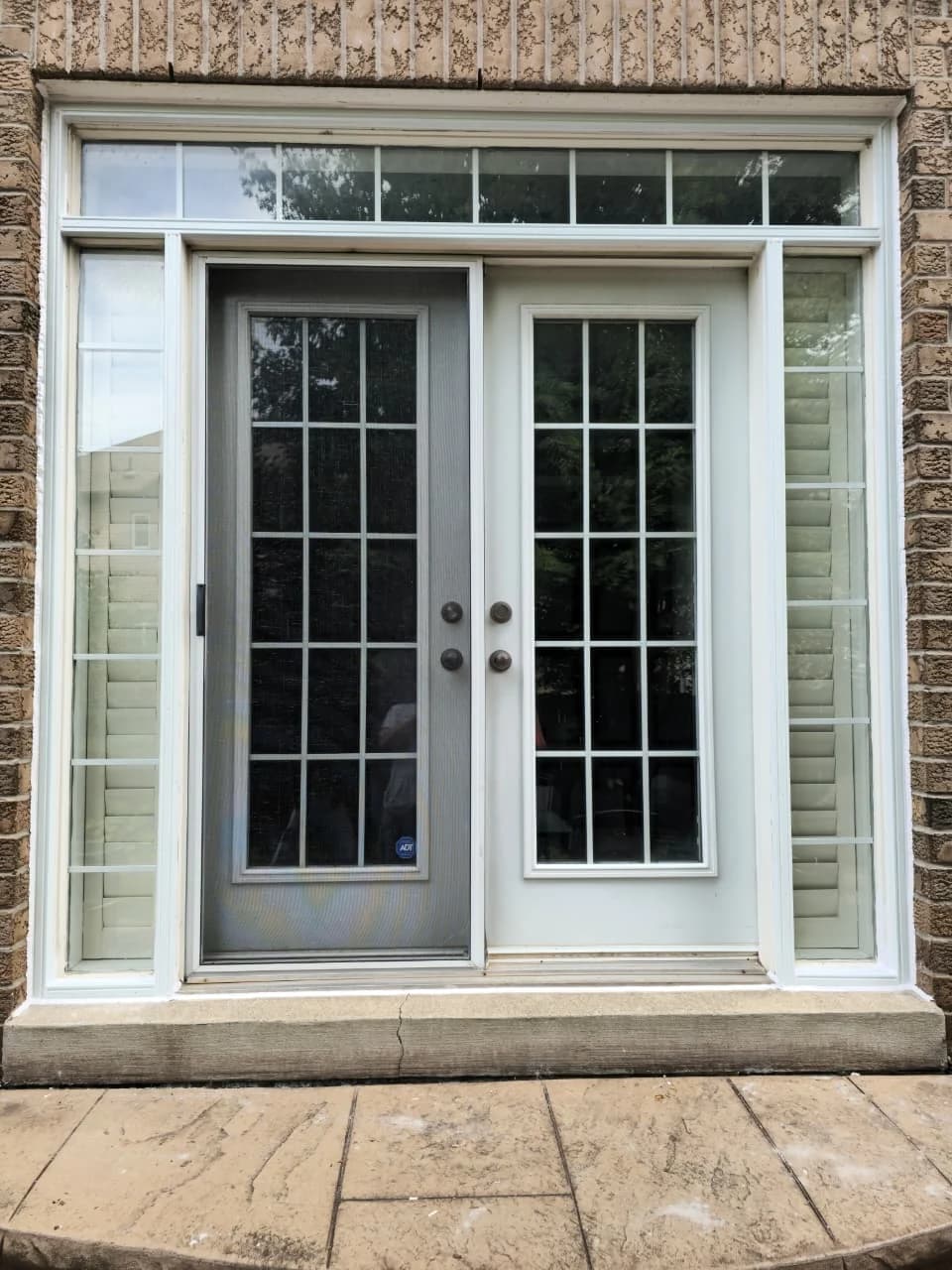
A new door does not automatically correct problems in the surrounding opening. The assessment should check the frame and sill condition, dimensions, alignment and any signs of movement or water damage. Final measurements need to suit the selected door system, not just copy the width and height of the old slab. Addressing these details before ordering helps identify any preparation or repair that the installation will require.
2. Slab material is a trade-off, not a hierarchy
Steel, fibreglass and wood doors come in different constructions, finishes and price ranges. Compare the actual products rather than treating the material name as a guarantee of strength, service life or maintenance needs. Consider exposure to sun and rain, finish care, appearance, warranty conditions and the complete installed cost. The frame, glazing and hardware matter too. Door installation starts with the options suitable for your opening, not a universal recommendation for one material.
3. Prehung versus slab-only changes both cost and outcome
A slab-only replacement reuses the existing frame. It may be an option when that frame is sound and the new slab can be fitted with compatible hinges, hardware and seals. A prehung unit includes a door already fitted to a frame and may be appropriate when the existing frame needs replacement. Neither approach is automatically cheaper or the only possible repair: fitting work, damage, product choice and the condition of the opening determine the scope.
4. Glass inserts change more than the look
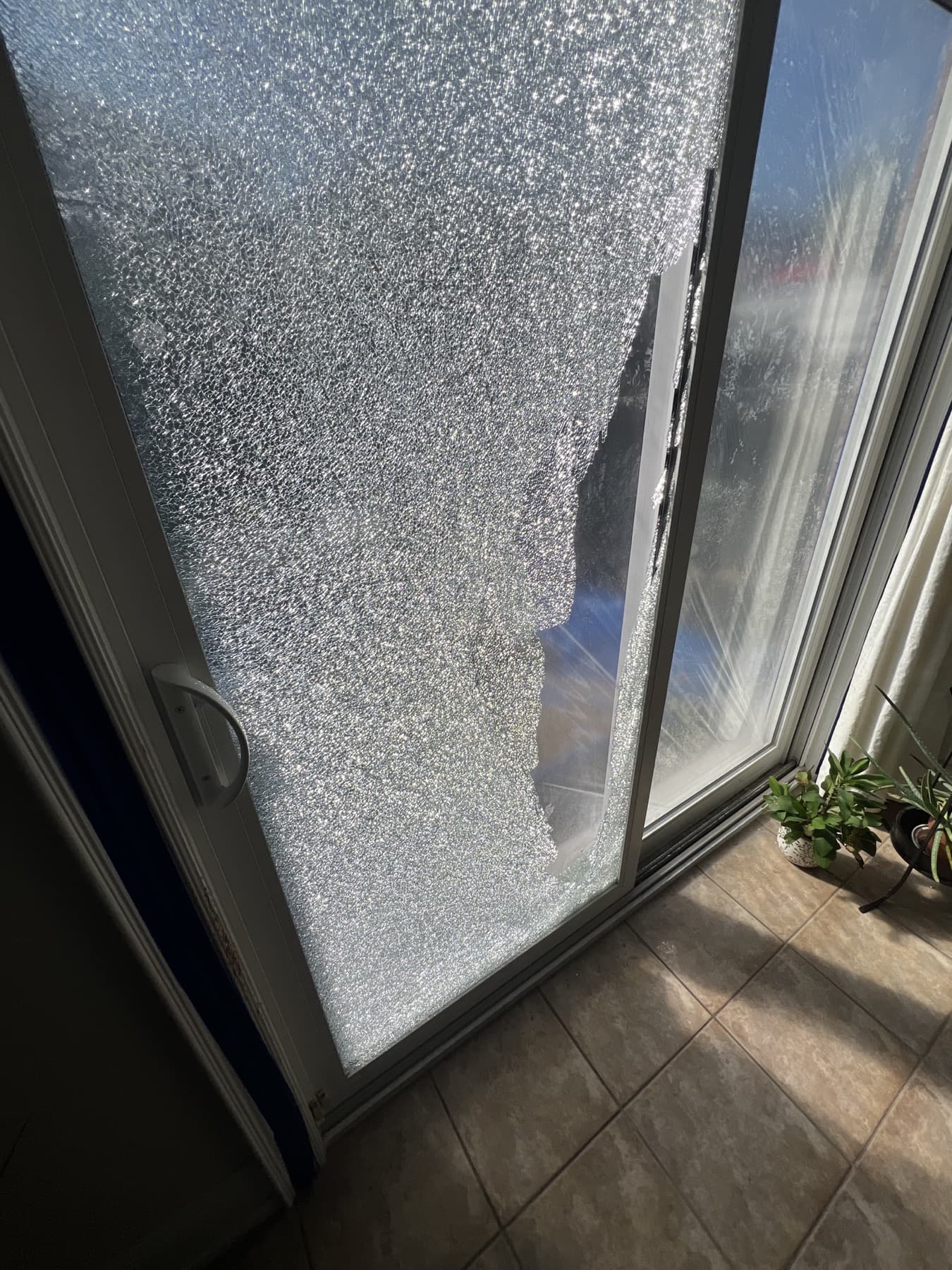
Glass changes the amount of daylight, the view into the entrance and the door system's energy performance. Compare the specific product's ratings and glass options rather than assuming all low-E glazing behaves the same way. Discuss sun exposure and how much privacy you want, including when lights are on inside. If the existing door and frame are sound, ask whether a compatible glass-only replacement would address the problem without replacing the whole door.
5. Hardware prep has to match your actual hardware
Confirm the hinges, lock and handle preparation before ordering, particularly if you want to reuse existing hardware. Door thickness, hole positions, handing and the selected hardware's requirements need to be compatible. An assessment can establish whether parts can transfer or should be replaced. Lock and handle replacement covers hardware options when you are upgrading the door and fittings together.
6. Sealing the perimeter is as important as the door itself
Air sealing and water management need to work with the selected door and the surrounding wall. Ask how the installation will address the sill, flashing, perimeter joints and weather seals. The correct materials and details depend on the assembly and manufacturer instructions; there is no single foam-and-caulk method for every opening. Intended drainage paths must not be blocked, and sealant is not a substitute for repairing damaged framing.
7. Ontario's climate means the door needs to handle real seasonal movement
The chosen door system should suit its exposure and be installed according to its instructions, including support, fastening, clearances and finishing. Ask what care the finish, weatherstripping and hardware will need after installation. Good installation does not remove the need for maintenance or guarantee that adjustment will never be needed. If the door later starts rubbing, leaking or failing to latch, have the cause checked rather than forcing it.
What this means for your decision
You do not need to become a door specialist before booking. Use these questions to understand what is included in the quote and why a particular option is recommended. Door installation starts with measuring and assessing the opening. Where repair is a suitable alternative, we can explain that option too. See door repair for alignment, frame and hardware work.
Getting a straight answer
If you are deciding between repair and replacement, contact us with a description and an optional photo taken safely. Photos can help us understand the request, but the condition, measurements and suitable options need to be confirmed on site. We explain the recommended scope and quote before paid work begins.