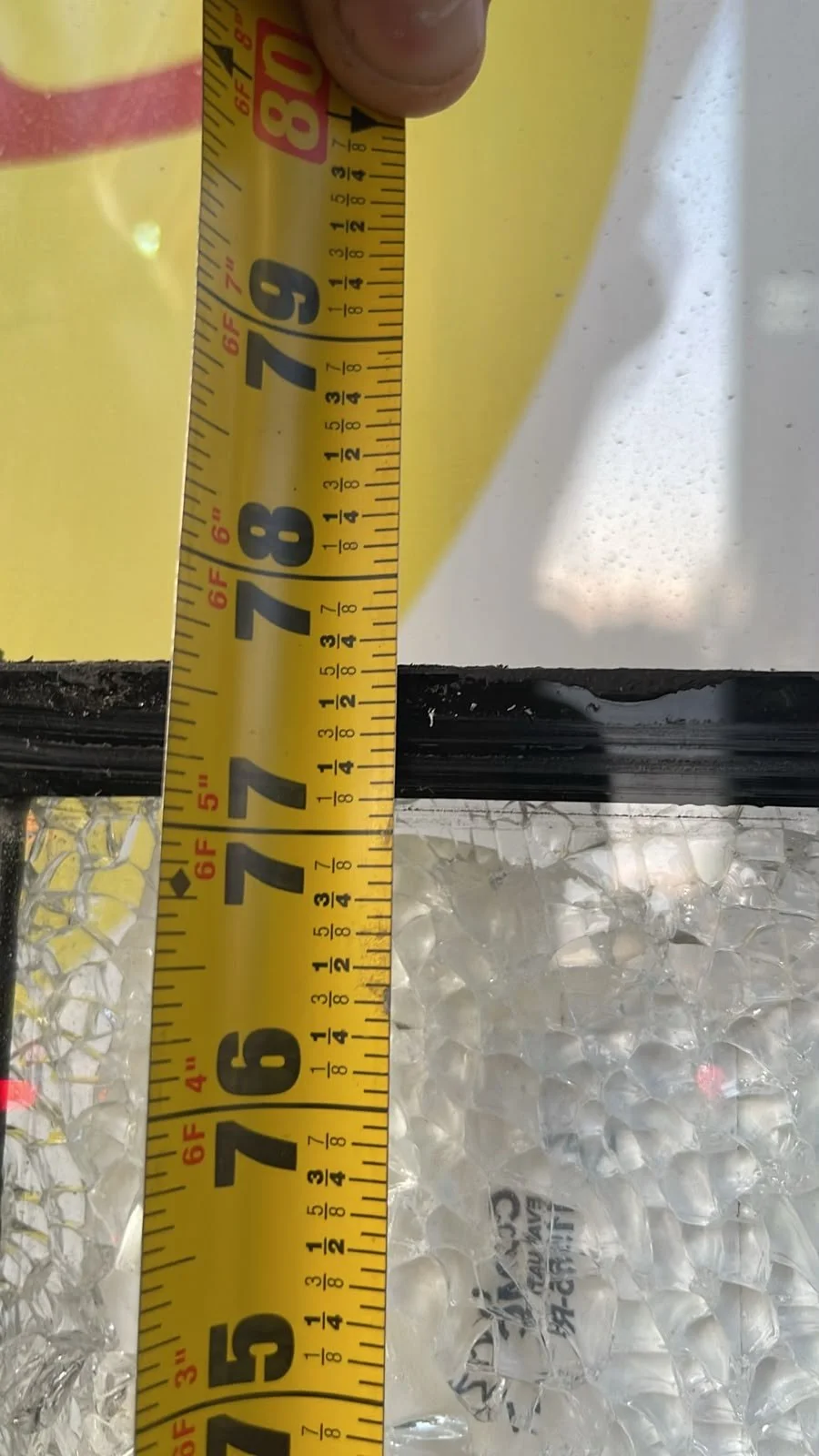
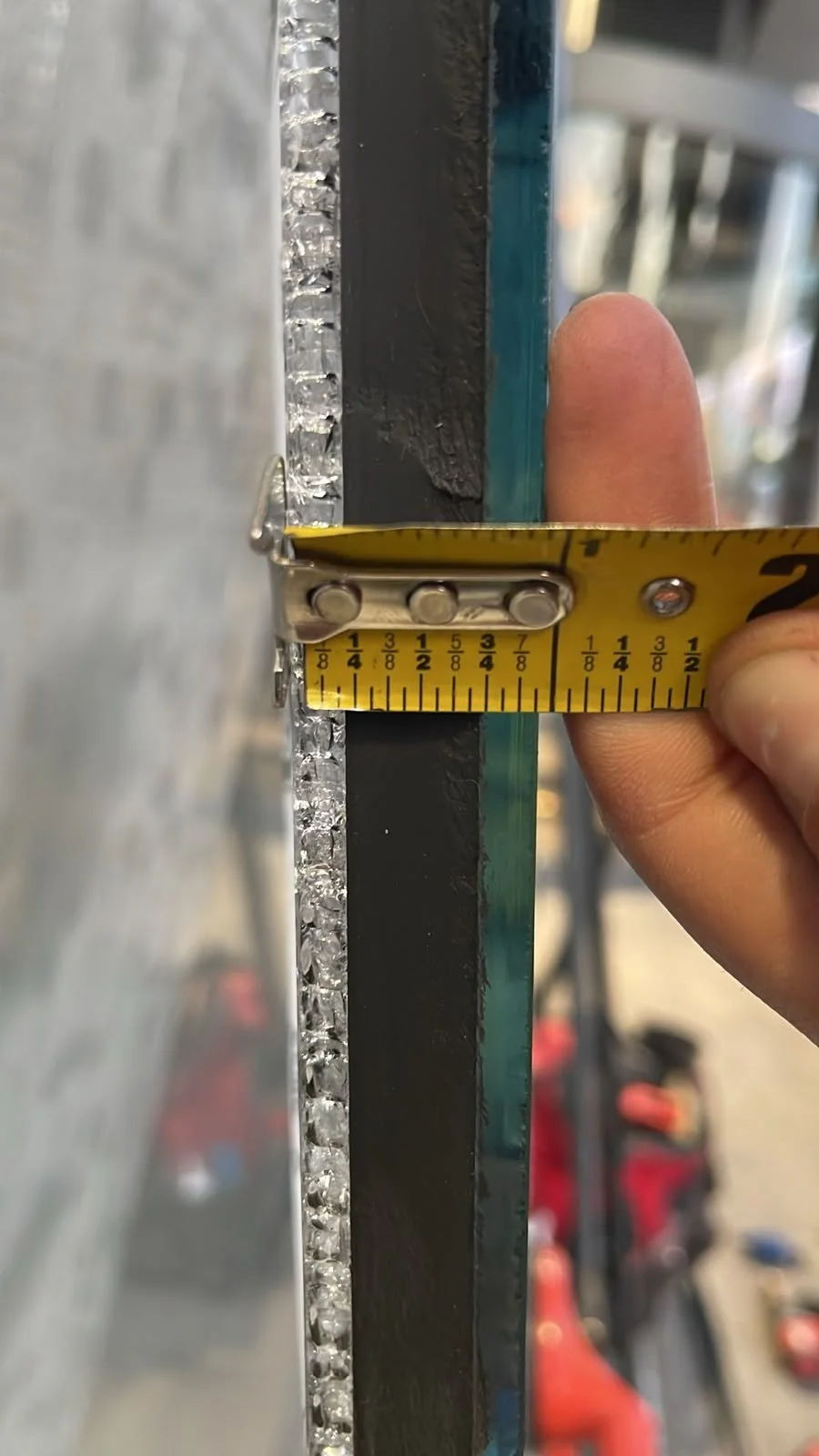
Establish whether the failure is in the glass or the window
Window glass replacement addresses the glazing in an opening. A window can have a cracked pane while its sash, frame and operating hardware remain usable. It can also have glass damage alongside a warped sash, failed support or other problem. Those conditions need to be distinguished before a replacement is ordered. The assessment considers the whole opening so the new glazing is not fitted while an unresolved frame or hardware fault continues to affect the window.
Tell us whether the pane is cracked, shattered, missing or cloudy, and whether the window still opens, closes and locks. Describe how the damage appeared without assuming the cause. An impact, crack developing without a known impact and condensation in the glazing are different observations. Door N Window assesses window glass across the GTA. We are insured, WSIB Covered and available 24/7, with same-day service available. We discuss the opening and access, then confirm the proposed scope on site.
Keep broken glazing separate from routine window use
Do not operate a sash with unstable or badly damaged glazing to test whether it still works. Keep children, pets and other people clear of loose glass and the area below the opening. A pane can remain partly retained while pieces are loose or the support is damaged. Tape over a crack is not evidence that the window is safe to use. The technician assesses the remaining glazing and the work area before removal or temporary protection is arranged.
If glass has fallen onto a walkway, balcony or another space people can reach, explain that when calling. Photographs are helpful only from safe positions. Do not lean outside, cross debris or remove glazing beads to obtain measurements. For an exposed opening, emergency board up may be needed while permanent glazing is assessed. An initial securing visit and a made-to-fit replacement are separate parts of the plan, and the temporary arrangement should be understood as such.
Send a view of the entire window, the affected pane and visible frame details when practical. Tell us whether it is fixed, sliding, a casement or another operating style. Identify the floor level, access from inside and outside, and any restriction from a balcony, narrow room or managed building. Approximate dimensions can help prepare for the visit, but the order needs confirmed measurements. A visible pane size is not necessarily the full replacement-unit dimension hidden within the sash.
Discuss who can approve the work and whether management or a landlord must be involved. In a condo or apartment, exterior appearance and access arrangements may require coordination. Tell us about existing labels or useful window documentation without dismantling the opening to find them. A recognizable frame style is not a reliable specification by itself. The actual glazing system, dimensions and condition determine the proposed replacement, rather than a generic pane selected from a phone photograph.
Single panes and insulated glass units are different
A single-glazed opening contains one pane in its retaining system. An insulated glass unit is an assembled glazing component with panes separated and sealed around the perimeter. The replacement scope must identify which construction is present. Damage to one visible pane in an insulated assembly is not treated as permission to fit a loose generic pane into the remaining unit. The confirmed assembly and its specification determine the appropriate replacement product.
The inspection considers the unit thickness, panes, spacer and any identified coating or other feature relevant to matching the opening. Existing glazing can include safety construction or decorative details that need consideration. We discuss the specification and supplier preparation before ordering. The new glass must suit the sash and retaining system as well as the visible opening. A product that looks clear and appears roughly the right size is not evidence that its construction matches the installation.
Distinguish surface condensation from moisture in the unit
Cloudiness needs a location check before it is described as a failed sealed unit. Moisture can occur on the room-side or exterior surface of otherwise functioning glazing, as explained in Vitro's glass-condensation guidance. That is different from moisture within the sealed space between panes. Tell us whether the marks can be reached from the room side and when they appear, but do not lean outside to test the outer surface.
Persistent moisture or deposits between panes need assessment of the unit and surrounding window. Surface cleaning cannot reach that sealed space. If that is the main symptom with otherwise intact glass, sealed unit replacement addresses the more specific service. We also inspect the sash and retaining system to establish what else needs attention. Not every visible misting problem proves a seal failure, and replacing glass does not automatically resolve indoor humidity or water entering around the frame.
Inspect the sash, retaining parts and frame
Glazing depends on the sash, stops or beads, seals and supporting details appropriate to the window. The technician checks those parts and any visible damage before agreeing what can be retained. A broken pane may be accompanied by damaged retaining components, especially after an impact. Existing deterioration or a distorted sash can also affect the repair. The scope should explain the glass replacement and any additional preparation required rather than assuming the surrounding parts are in good condition.
For a window with several complaints, identify each before the glass order: a cracked unit, a sash that drops, a handle that slips or a latch that misses. Ask whether the supporting fault needs correction before the replacement glazing can be fitted. Window repair covers operating hardware and support; it remains separate from the pane or unit specification even when both tasks belong in one proposal. The work description should say what can remain, which preparation is required and what will still need attention after the glass-only stage.
Confirm dimensions and glass details before fabrication
For several replacement units, keep an opening list that connects each measured unit to its actual window. Similar panes may differ after earlier replacements, coatings or changes to the sash. Record available previous product information and ask which dimensions and construction have been confirmed for each order. Hidden edges or uncertain access may leave an identification step outstanding. Fabrication should follow the confirmed affected opening, rather than substitute a neighbouring unit's dimensions because the visible panes look alike. At handover, that same opening list helps distinguish completed glazing from other units or support work still pending.
Glass construction influences preparation. Where heat-treated safety glazing is selected, its final dimensions and any required features belong in the fabrication plan. Do not try to trim, drill or otherwise adapt a tempered panel yourself. Coatings, decorative bars or other identified details may also affect what the supplier needs to prepare. We discuss the proposed glazing and expected schedule when those details are known, without promising that every window unit is available during the first visit.
Access and installation planning
The work plan considers the route to the window, the size and position of the glazing and space around the opening. A ground-floor fixed window and an upper-floor operating sash can present different access needs. Tell us about furniture, stairs and building restrictions before the visit. Clear ordinary belongings from the agreed work area when safe, but do not handle unstable glazing or begin removing its retaining parts to prepare for the technician.
Removal and installation follow the assessed glazing system. The scope covers the damaged glass or unit, necessary retaining-system work and fitting of the confirmed replacement. If removal reveals additional damage that was not visible earlier, the change needs discussion before more work proceeds. You approve the scope and quote before paid repair work begins. The process should identify what is being replaced and what is staying, rather than leaving that distinction unclear until the new pane arrives.
Keep glazing work distinct from drafts and water entry
A window can have more than one issue. A broken glass unit, air entering around a sash and water entering around the outer frame involve different parts of the assembly. A new pane does not automatically repair a failed operating seal, perimeter joint or drainage problem. Describe those symptoms as well as the visible glass damage so they can be considered in the assessment. The agreed work should state which problem is being addressed and whether a separate repair is needed.
Avoid adding sealant or blocking visible drainage features as a trial fix before the glazing is assessed. Such changes can make the original conditions harder to identify and may affect how the window manages water. We discuss the actual opening and suitable repair scope. A glass replacement can retain a serviceable frame, but retaining it should follow assessment of its condition. We do not promise that one glazing change restores every aspect of a worn window's operation or weather performance.
Review the finished glazing and remaining work
At handover, identify the glazing fitted, retaining-system work completed and any remaining sash, hardware or perimeter tasks. Where the agreed scope includes an operating sash, its movement and locking need consideration alongside the new glass. Discuss any guidance supplied for the materials or components used. If further work or a return visit remains outstanding, it should be clear rather than presented as a fully completed window repair.
Report new visible damage, movement, water entry or operation changes instead of pressing on the glazing or adjusting its attachments. Keep the repair paperwork and confirmed scope available if questions arise. We can help describe the work for an insurance claim where relevant, but coverage and reimbursement are decisions for the insurer and policy. Temporary securing, glass fabrication and permanent installation should remain identifiable stages in the record when the repair requires them.
Original feedback about window work
Deenaaa Staar's saved account describes two shattered windows and the work performed on them, while explaining that before photographs were not available. It is not presented as a confirmed before-and-after sequence or proof of a particular glazing specification. Marshall Berenbaum's separate account describes window replacement and communication with the technician. That is related window-work feedback; its brief wording does not identify whether the work was limited to the glass unit.
For your opening, the assessment establishes the glazing construction and condition of the sash and frame. Ask which information is confirmed before ordering and which further window work remains outside the glass replacement. The original customer feedback below concerns related window work; the specification for your unit still follows its own installed construction.
Glazing within a wider installation project
For a wider project involving new glazing preparation or several opening types, the glass installation guide explains how the specification, support, measurements and related work are coordinated. The window pane replacement scope remains tied to this actual window assembly.