Start with the symptom and the window type
Window repair begins with what has stopped working. A crank that turns without moving the sash, a hung window that drops and a latch that no longer meets its keeper are different faults. Tell us how the window normally opens and which action now fails. Casement, awning, hung and sliding windows have different support and operating components. A photograph of the complete opening can help prepare the assessment without requiring you to remove covers or handle a damaged sash.
Door N Window repairs and replaces doors, windows and glass for homes and businesses across the GTA. We are insured, WSIB Covered and available 24/7, with same-day service available. The on-site assessment separates hardware, sash, glazing and frame work. Repair may retain a suitable existing assembly, while damage or an unsuitable arrangement can require replacement. An operating complaint is a reason to investigate the window, not proof that every component has reached the end of its useful life.
Record the fault without forcing the sash
Useful observations include whether the window sticks through its movement, stops near the closing position or moves normally but fails to lock. Explain if the issue appeared after an impact, paint work, a handle change or a previous adjustment. If several windows are affected, identify each separately. Similar-looking openings can use different hardware or have different conditions, especially after earlier repairs or building alterations.
Avoid pulling an unsupported sash, forcing the crank or holding a dropping window open with an improvised object. Keep people clear of unstable glass and an opening that cannot be used safely. Photograph visible details from a normal safe position. Approximate sizes and labels can help an enquiry, but compatibility and replacement measurements require confirmation. Tell us about height, furniture, screens and access restrictions before the visit so the proposed work can be assessed appropriately.
Casement and awning cranks need more than a handle check
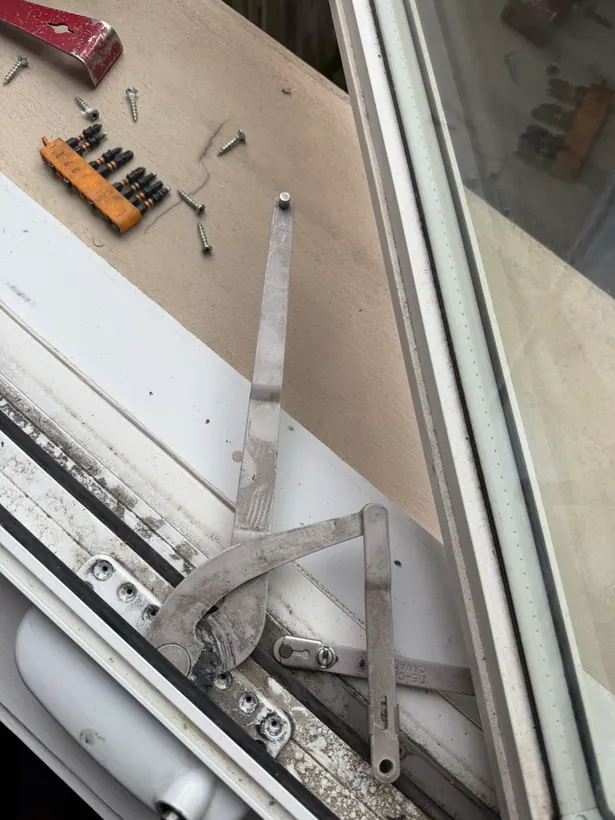
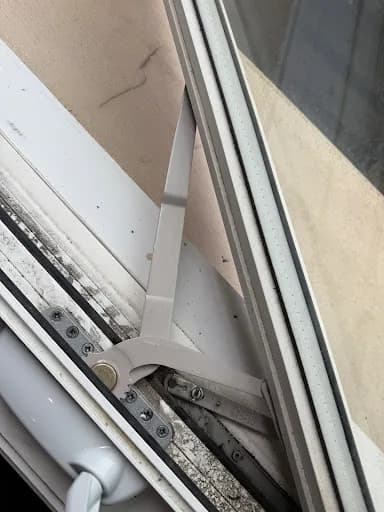
A crank operates a mechanism connected to the sash. A loose handle, worn operator, disconnected arm or resistance in the support can produce different versions of a window that will not move. Describe whether the handle slips, turns without a response or becomes difficult to turn. The technician assesses the operating path and the sash condition before deciding which component needs work. A new handle does not automatically restore a worn or obstructed mechanism.
Suitable replacement depends on the installed arrangement, handing, arm pattern, attachment and relevant product information. Equipment that looks similar may use different preparation. Our window crank repair guide explains that specialist scope. Tell us what previous replacements are known without taking the mechanism apart. The agreed proposal should identify the components changing and any support or alignment work needed, rather than treat an operator replacement as proof every part of the window has been repaired.
Hinges and sash support affect closing and locking
A casement or awning sash needs suitable support as it moves into its closing position. Worn components, loose preparation or movement in the frame can change that path. Report whether the sash contacts an edge or whether you have been pushing it from outside to close. Avoid continuing that workaround. The support, operating hardware and relationship to the frame should be assessed together before adjusting the latch.
A repair may involve suitable compatible hardware or preparation, while damage in the sash or frame can require a wider scope. The proposal should explain why an adjustment is appropriate or why it would only conceal the symptom. After the agreed work, movement and locking need checking in the actual opening. A latch that can be made to catch by lifting or forcing the sash has not necessarily had its support restored.
Hung windows that drop need their support system identified
Single- and double-hung windows use a support arrangement that differs from a crank-operated casement. A sash that will not stay in position, moves unevenly or has a changed effort needs assessment of the installed components and their attachments. Describe the symptom from ordinary use and stop using an unstable sash. Do not remove supports, cords or balance parts to identify them for a repair enquiry.
Replacement suitability depends on the actual window construction and component information. A part chosen by its general appearance alone may not provide the intended support or fit. The technician also checks whether damage or interference elsewhere affects the movement. Where several hung windows need attention, identify each opening and its observed condition. The assessment can then distinguish recurring equipment issues from separate damage and provide a clear proposed scope for the windows involved.
Sliding windows need a travel and latch assessment
A horizontal slider can become difficult to move because of debris, worn support, damaged travel surfaces or misalignment. Describe whether the sash binds along the travel path or only near the closed position. A latch complaint may belong to that alignment rather than the locking component alone. The technician identifies the moving and fixed sections and the relevant support before deciding which repair is suitable.
Cleaning and maintenance should follow the installed window's instructions. Do not remove a heavy sash, grind a travel surface or force the lock to compensate for a binding opening. Existing screens and other accessories also need consideration where they affect access. The proposed scope should identify support, travel, latch or frame work separately. A slider that moves more easily after one adjustment still needs its closing and securing arrangement checked before ordinary use resumes.
Locks and keepers must meet in a supported opening
A latch that misses its keeper can reflect sash movement, damaged preparation or an incompatible previous change. Explain whether the lock feels loose, whether the keeper has moved and whether the window closes fully without forcing it. The complete relationship needs inspection. Tightening one visible screw or moving the keeper does not resolve every underlying alignment or support problem.
The locking arrangement should suit the installed window and intended use. Compatible replacement parts and suitable preparation need confirmation. If the opening cannot secure or damaged glass makes it unsafe, call to discuss repair availability and any temporary protection needed. Do not use the latch as a lever to drag a dropped sash into place. Record the components changed and any remaining work so the property contact understands what has actually been restored.
Separate a draught from a water-entry complaint
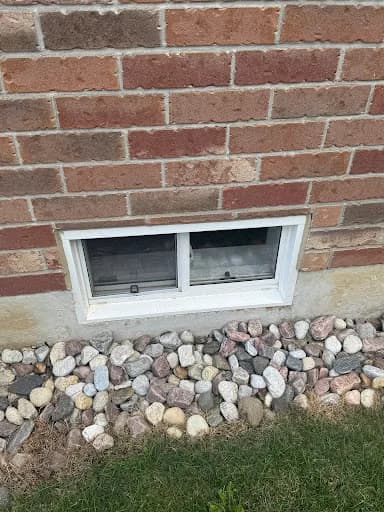
Tell us where air or water appears, when it happens and whether the window is fully closed. A gap at a moving sash can differ from a joint around the fixed frame or moisture on the room-facing glass. Safe photographs of the location and the surrounding opening can help prepare an assessment. A single visible mark does not establish the full path by which water reached the interior.
The window caulking guide covers perimeter sealing and related joint assessment. Seals, alignment, frame condition and surrounding building details may need separate investigation. Adding sealant over an unidentified issue is not a universal repair, and drainage paths should not be covered to conceal a complaint. The proposed work should identify the area being treated and any further building assessment needed rather than promise that one bead of material resolves every leak.
Broken or fogged glass has a distinct replacement scope
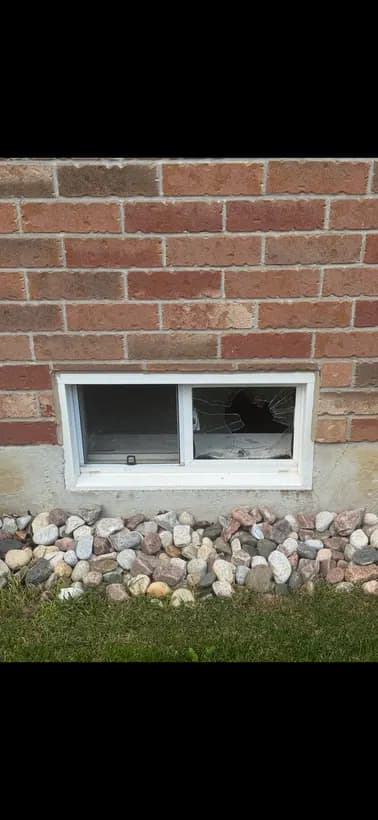
Cracked glazing and moisture between panes need the glass construction, retaining arrangement and supporting opening assessed. Keep clear of unstable glass and avoid moving a damaged sash to obtain measurements. Describe whether the issue concerns the moving sash, a fixed pane or another part of the opening. A window can need glazing work while its frame remains suitable, but that condition must be confirmed rather than assumed from appearance.
The window glass replacement guide explains the dedicated pane replacement scope. Sealed unit replacement concerns the insulated glass assembly when that is the identified issue. Those services are different from replacing every surrounding frame component. The proposal should distinguish glass, hardware and supporting work, including any separate securing stage. New glass alone does not repair a damaged support, unresolved water path or operating fault.
Decide whether the frame and sash can be retained
Repair is considered against the condition of the existing window and the intended result. The frame, sash, attachment and equipment preparation need inspection before retaining components is agreed. Damage, deterioration or an unsuitable arrangement can make a wider replacement scope appropriate. Explain previous repairs and any planned building work that affects the opening so those details are considered before equipment or glazing is ordered.
The window replacement service covers a complete replacement where needed. Ask which components can remain and why. A proposal for a new window should identify surrounding preparation and finishes rather than assume replacement addresses every building issue near it. Equally, a hardware-only proposal should explain any unresolved frame or sash condition. The useful decision concerns the actual opening and required work, rather than a universal rule to repair everything or replace everything.
Questions to ask window repair companies
When comparing window repair companies, ask each to explain the same affected opening: what action fails, what supports the sash and which observed condition justifies the proposed component change. If one proposal changes a handle while another changes the operator, ask why their diagnoses differ. A list of part names without the supporting condition does not establish that the proposals address the same fault. Explain condominium permission and access requirements before comparing the visit arrangements.
For several symptoms at one window, ask the proposal to separate them. A dropping sash and a lock that misses may share a support problem; cloudiness between panes needs a glazing assessment even if the same window also moves poorly. The window glass replacement service covers that distinct pane or unit scope. Ask what remains unresolved if only operating hardware is repaired. Door N Window explains the agreed work, retained components and any further supply or assessment before approval. Compare those responsibilities and finished checks, rather than assume a quick adjustment and a complete new window offer the same result.
Genuine crank repair accounts with their scope intact
Jinah Choi's original review describes a loose window crank that was not working properly. Mark Palmer's review describes a kitchen-window crank replacement arranged through a general contractor. These accounts concern hardware work. The assessment of your opening still needs to identify its operator, support and any separate glazing or frame complaint before the repair is agreed.
After an agreed repair, keep the equipment information and work record available for future service. Report a returning symptom before compensating with force or an improvised support. We help with repair-related insurance claim paperwork where needed, while the insurer determines coverage and reimbursement. A useful handover explains the repaired components, normal operating arrangement and any further work, so the next enquiry starts from the actual condition of your window.