
Guides
5 min readUpdated
Most sticking, drafty or non-latching doors are hinge, strike or weatherstripping problems, not reasons to replace the door. Here is how to diagnose the real cause before calling anyone.
At a glance
- Sticking and failed latches often start with hinges or alignment.
- Sound doors and frames can often be repaired without full replacement.
- A damaged or unsecured entrance needs prompt professional attention.
Check the gap around the door
Most door problems get misdiagnosed because people look at the symptom instead of the geometry. Before buying a new lockset or a can of spray lubricant, look at the reveal: the gap running around the door between the slab and the frame. On a healthy door that gap is even, roughly the width of a nickel, all the way around. When it narrows at the top and widens at the bottom, or vice versa, the door or the frame has moved, and no amount of adjusting the latch will fix that on its own.
This one check tells you most of what you need to know. A door that drags on the floor and has a tight gap at the top hinge side is almost always a sagging top hinge, not a warped door. A door that will not latch unless you lift the handle usually means the strike plate and the latch bolt have drifted out of alignment, which happens as houses settle. A door with daylight visible around the whole perimeter when it is closed needs new weatherstripping, not a new door.
Four common door faults
Hinges. The top hinge carries most of the door's weight every time it swings, and the screws holding it to the jamb work loose over years of use. Once they strip out of the original hole, the door drops slightly at the latch side and starts dragging or sticking. The fix is longer screws that reach past the jamb into the framing stud behind it, not just a fresh short screw in the same stripped hole. Worn hinge knuckles or a bent leaf need replacing outright.
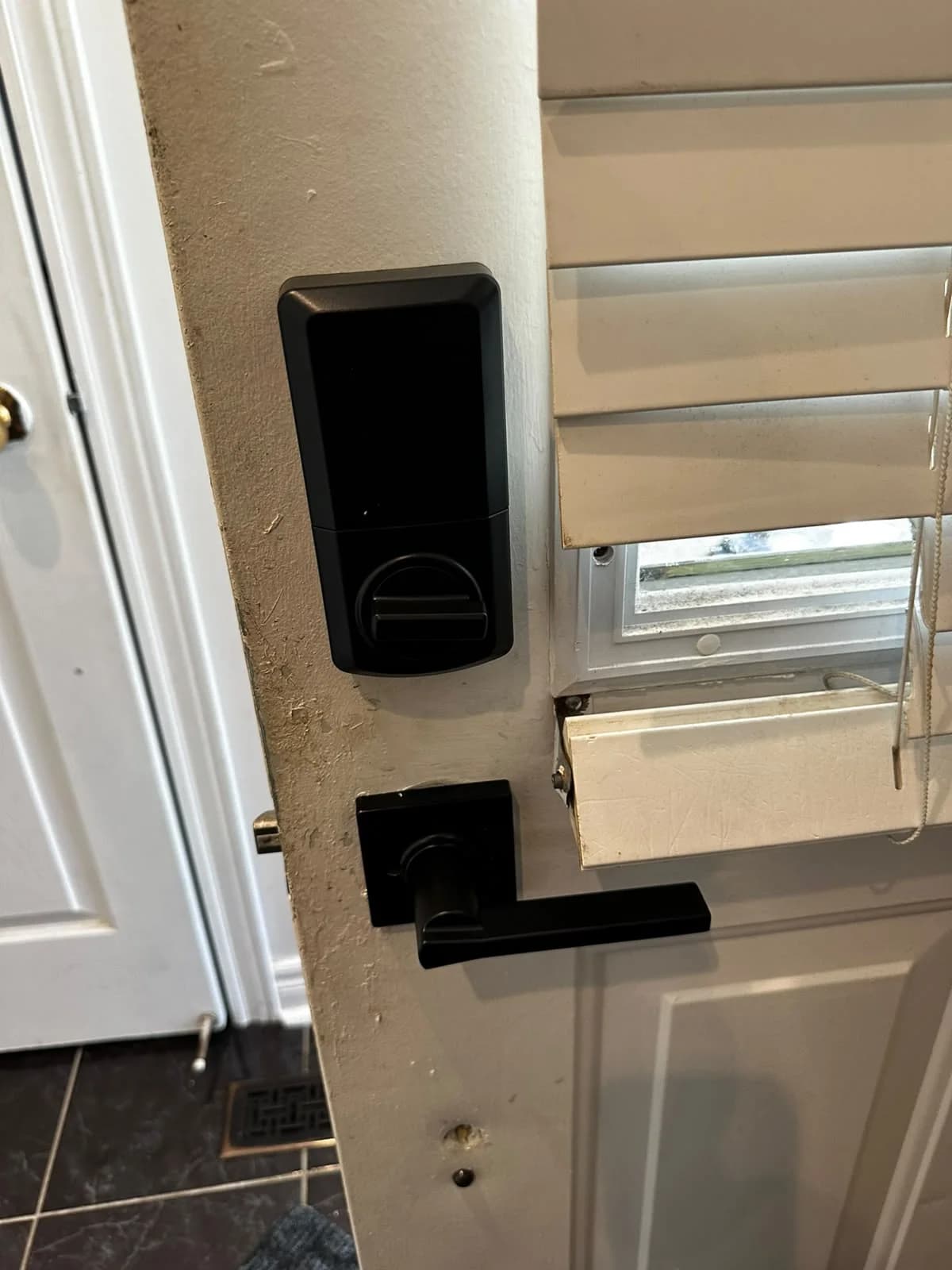
Latch, strike and deadbolt. If you have to shoulder the door or lift the handle to get it to lock, the latch bolt is no longer meeting the strike plate squarely. Sometimes the fix is as simple as filing the strike opening a little larger or repositioning the plate by a few millimetres. Other times the frame has shifted enough that the strike needs to move, or the mortise needs deepening so the bolt stops bottoming out before it is fully extended.
Weatherstripping and threshold. Compression set is the enemy here. Foam and rubber weatherstripping loses its memory after a few winters of being squeezed shut, and once it stops springing back it stops sealing. The result is a draft you can feel with your hand at the sides and top of the door, plus cold air pooling at your feet if the sweep at the bottom has worn through or the threshold has dropped out of contact.
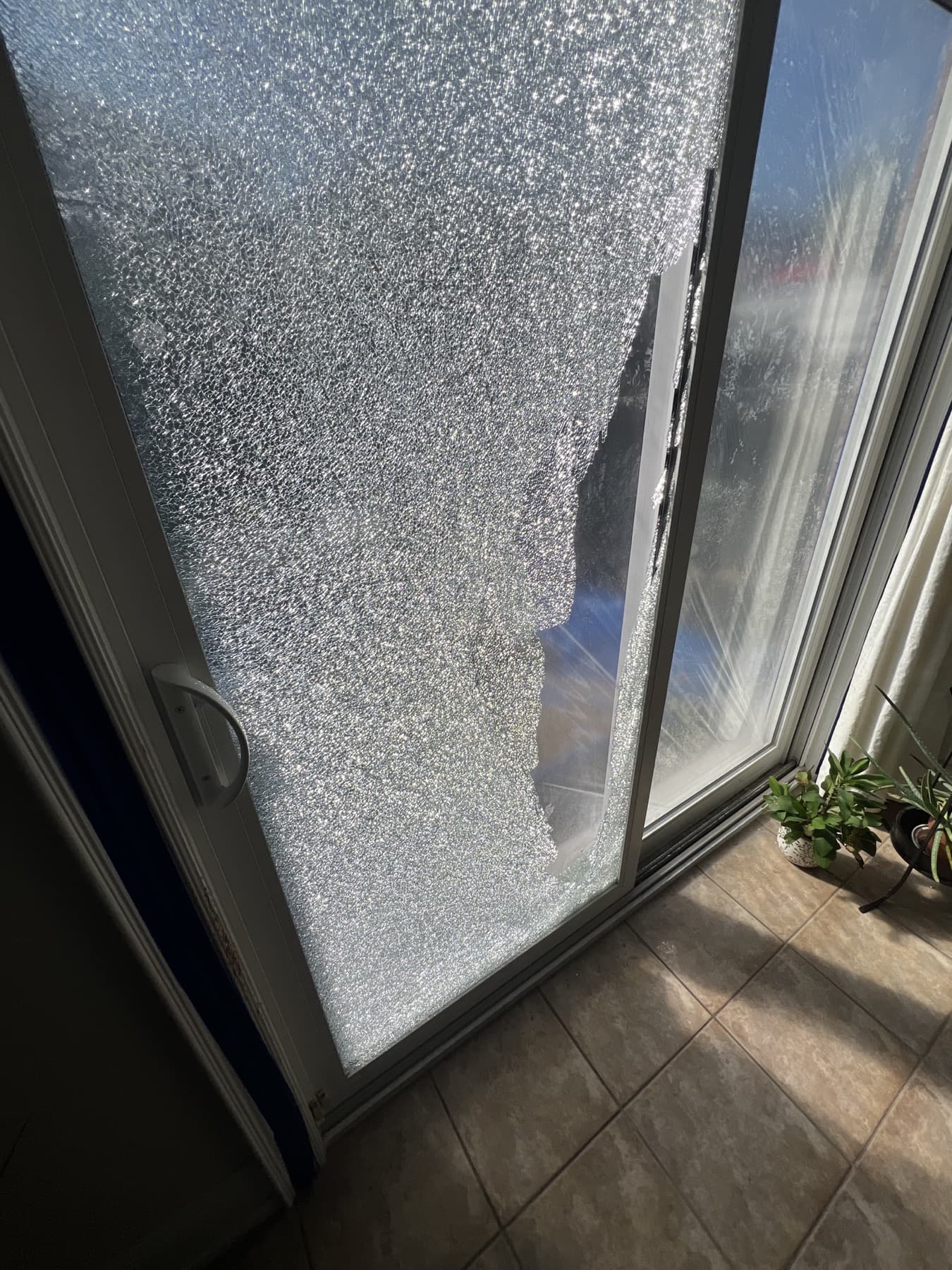
Frame and slab damage. Split jambs, damaged door panels and rot need an on-site assessment. A sound frame may be suitable for reinforcement, while extensive damage can require replacement. Reinforcement does not make a door or frame impossible to break. We explain the repair and replacement options before you approve the work.
How GTA winters affect doors
Ontario's freeze-thaw cycle is harder on doors than steady cold ever would be. A door that seals perfectly in October can bind in January once the frame swells with humidity and then contracts as the house heats up and dries the air out. Wood doors move the most, but even steel and fibreglass units shift slightly as the surrounding frame and studs expand and contract through the season. This is why a door that worked fine all summer suddenly needs adjusting every winter: it is not getting worse, it is responding to the same seasonal cycle every GTA home goes through, and a proper repair accounts for that movement rather than fighting it once and hoping it holds.
When to repair or replace
Repair almost always wins when the problem is hardware, alignment, or a weathertight seal. It is faster and cheaper, and a well-executed repair on a sound door and frame will hold for years. Replacement becomes the right call when the frame is rotted through at the sill, when the slab itself is delaminating or has swollen from water intrusion, or when a door has been adjusted more than once for the same symptom and keeps drifting back. If you are not sure which category you are in, a door repair technician can usually tell within a few minutes of testing the swing and checking the reveal, and will tell you honestly if replacement is the better use of your money. See door installation for what that process looks like.
Commercial doors carry their own list
Storefronts and office entrances also rely on closers, pivots and exit hardware. A slamming closer may be incorrectly adjusted, leaking oil or damaged internally. A technician should identify the cause before deciding on adjustment, repair or replacement. Allegion's closer guidance describes these different causes. Do not disable a closer or exit device to keep trading. Commercial door repair can be scheduled around your operating hours.
After a break-in
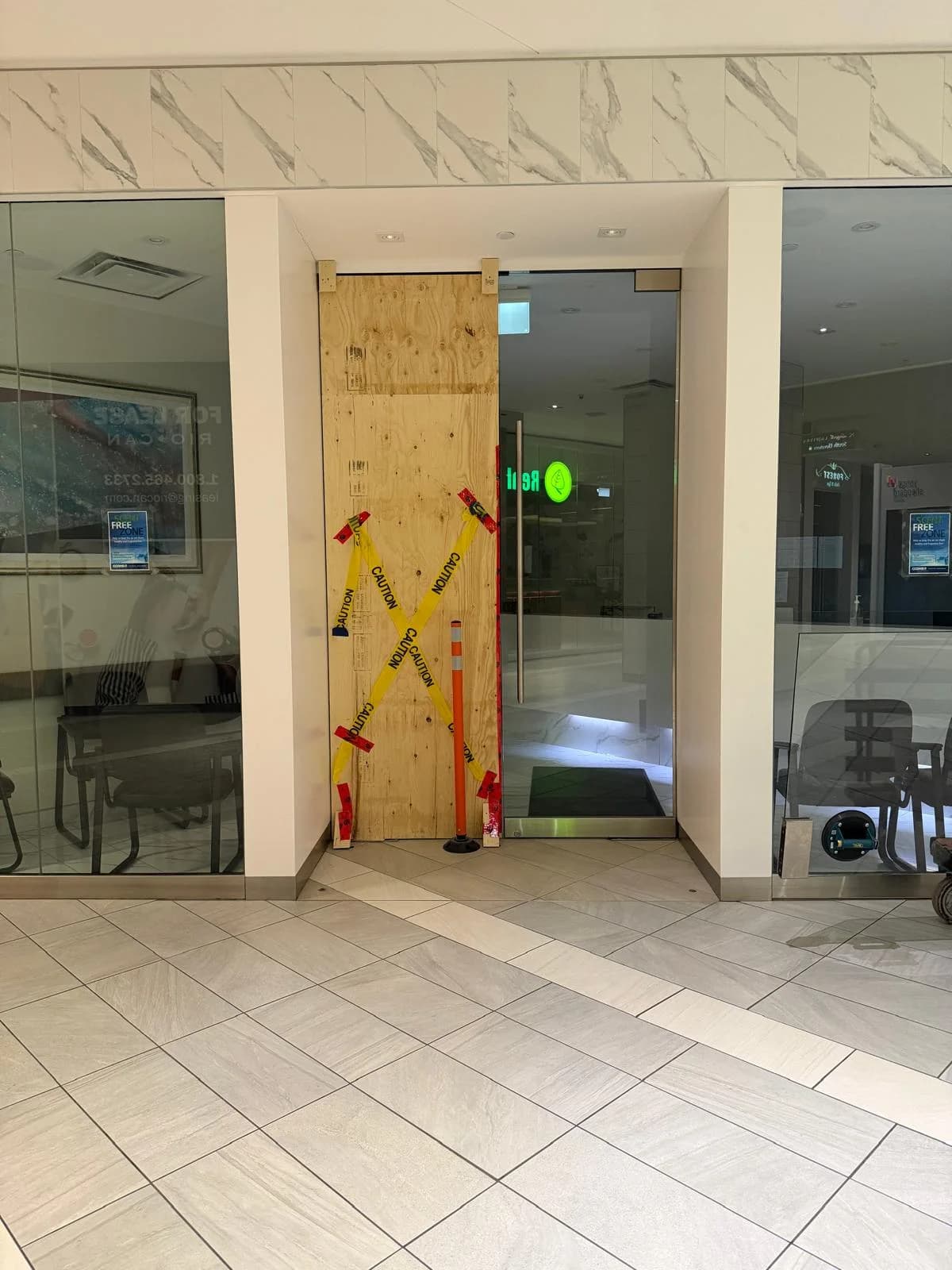
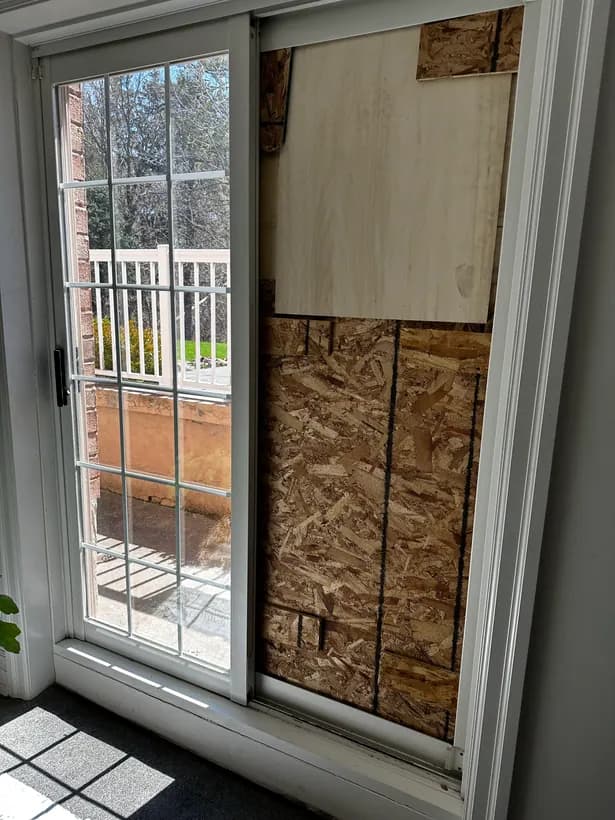
A forced door needs securing before the permanent repair is arranged. Our 24/7 emergency service can dispatch a technician immediately to assess the damage and secure the property. Ask for photos and an itemised invoice if you intend to make an insurance claim. Your insurer decides coverage, limits and any deductible.
A short list before you call anyone
- Check the reveal around the door with it closed
- Note whether the problem is new or has been building for months
- Test the deadbolt and latch separately from the handle
- Feel for drafts at the top, sides, and bottom, not just one spot
- Take a photo of any visible frame or hardware damage
The time and parts needed depend on the fault and condition of the door. Contact us with a description or photo to arrange an assessment. We usually offer a free on-site estimate and can usually schedule less urgent repairs the same day. You approve the quote before any paid work begins.