
Emergencies
4 min readUpdated
What to record after glass damage, how to keep the property safe and which questions to ask your insurer. Coverage and payment depend on your policy.
At a glance
- Keep people away from broken glass and arrange safe securing first.
- Keep damage photos, the repair report and itemised invoices for your claim.
- We help with documentation; coverage and reimbursement are decided by your insurer.
After a break-in, put safety first and arrange to secure the property. Photos, receipts and a clear account of the damage can help your insurer assess a claim. They do not guarantee reimbursement: your policy, deductible, limits and the circumstances of the loss determine what is covered.
What your insurer reviews
Your insurer or broker can explain whether the damage is covered and what approval or documentation is needed. Ask about temporary securing, permanent glass replacement, related frame damage and any deductible. We provide repair documentation, not a coverage decision.
Before the glass gets touched
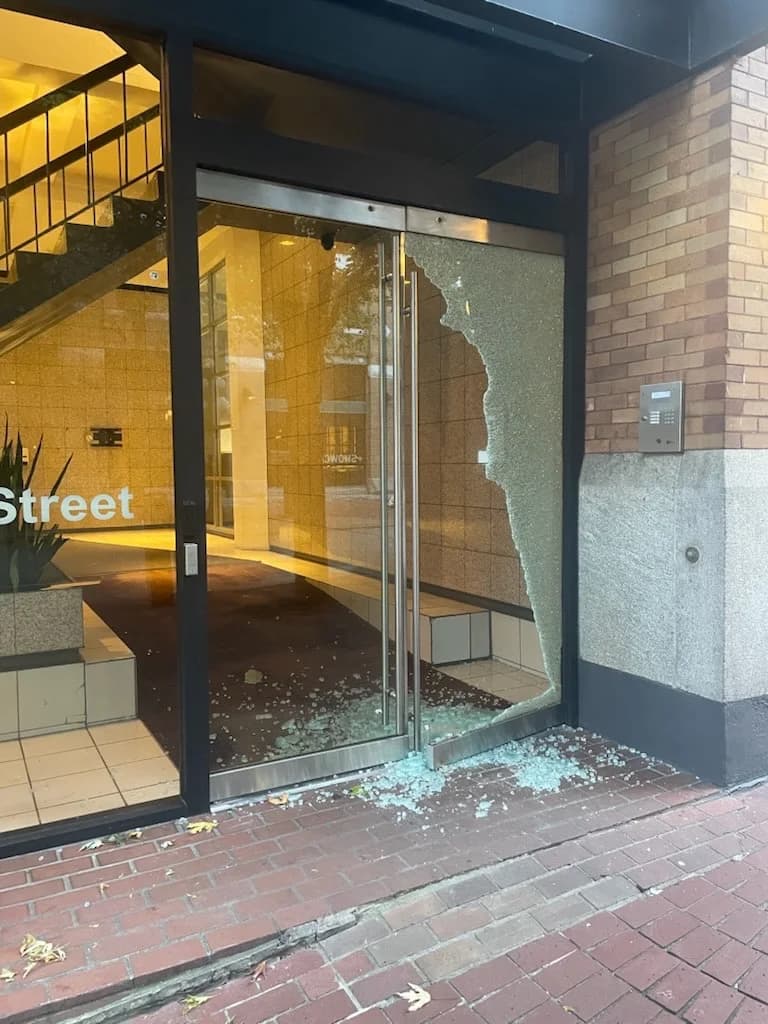
Photograph the damage only if you can do so safely. Keep away from loose glass and unstable frames. Do not delay making the property safe or retain hazardous fragments for a claim. Ask your insurer before disposing of damaged property when it is safe to keep it. Record a police report number if one is available.
Secure the property first, worry about the paperwork second
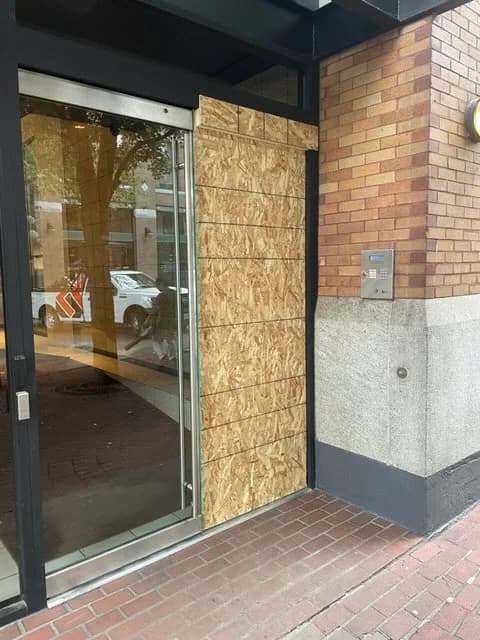
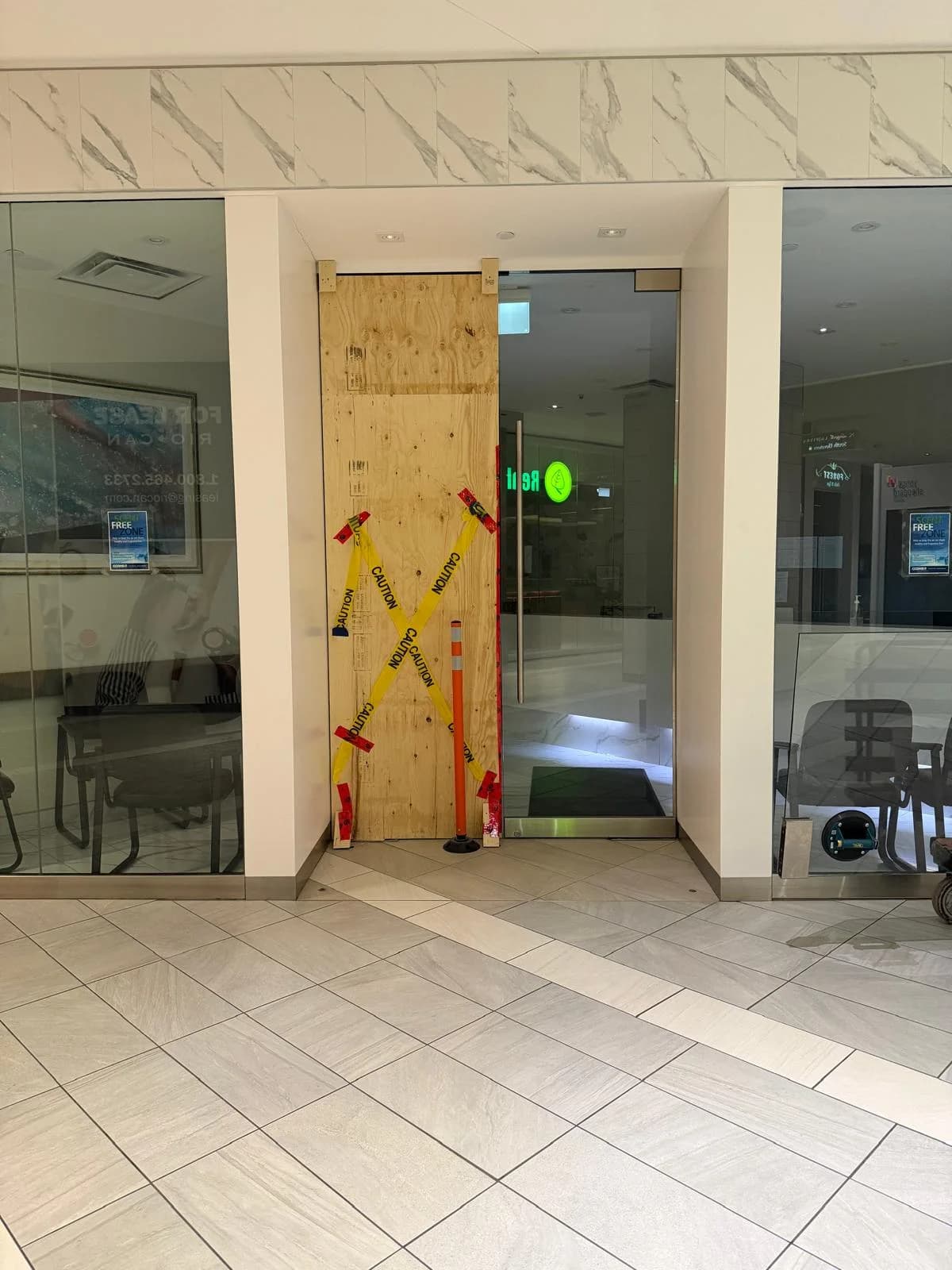
Do not delay making the property safe to gather a more complete photo set. We offer immediate emergency dispatch for board-up services. The technician assesses the damaged opening and explains the temporary protection needed while permanent repair is arranged. Take photographs only when it is safe to do so, and keep the emergency-work receipts for your insurer.
Documents to keep for your claim
Keep an itemised quote and invoice showing the work carried out, materials and charges. Separate temporary board-up from permanent repairs and include any related door or frame work. Your insurer may request further information; a detailed invoice does not guarantee approval or a particular processing time.
Keep a written record of the timeline too: when the break-in happened, when it was reported to police, when the board-up occurred, and when the permanent glass replacement was completed. Insurers sometimes ask about the gap between temporary securing and permanent repair, particularly for a business that needs to reopen quickly, and having those dates on hand avoids a back-and-forth.
The claim process, step by step
- Secure the property and photograph the damage, in that order of priority.
- File the police report and record the report number.
- Contact your insurer to open a claim and get a claim number before major repair work is scheduled where possible, though emergency securing should never wait on this step.
- Get an itemized quote or invoice for the permanent repair, broken down by glass, labour, and any frame or door work.
- Send the records your insurer requests, such as the repair report, itemised invoice, photos and police report number. Follow its submission instructions and keep copies.
- Follow up in writing if you have not heard back within the timeframe your insurer quoted, and keep a copy of everything submitted.
Include each part of the repair
Give your insurer the records for temporary securing and permanent repair, including any related frame or hardware damage. Ask which expenses are covered rather than assuming each line will be reimbursed.
For businesses, ask whether the policy includes business interruption coverage. Keep a record of when the storefront was inoperable and when it reopened, along with any records your insurer requests.
Getting help with the process
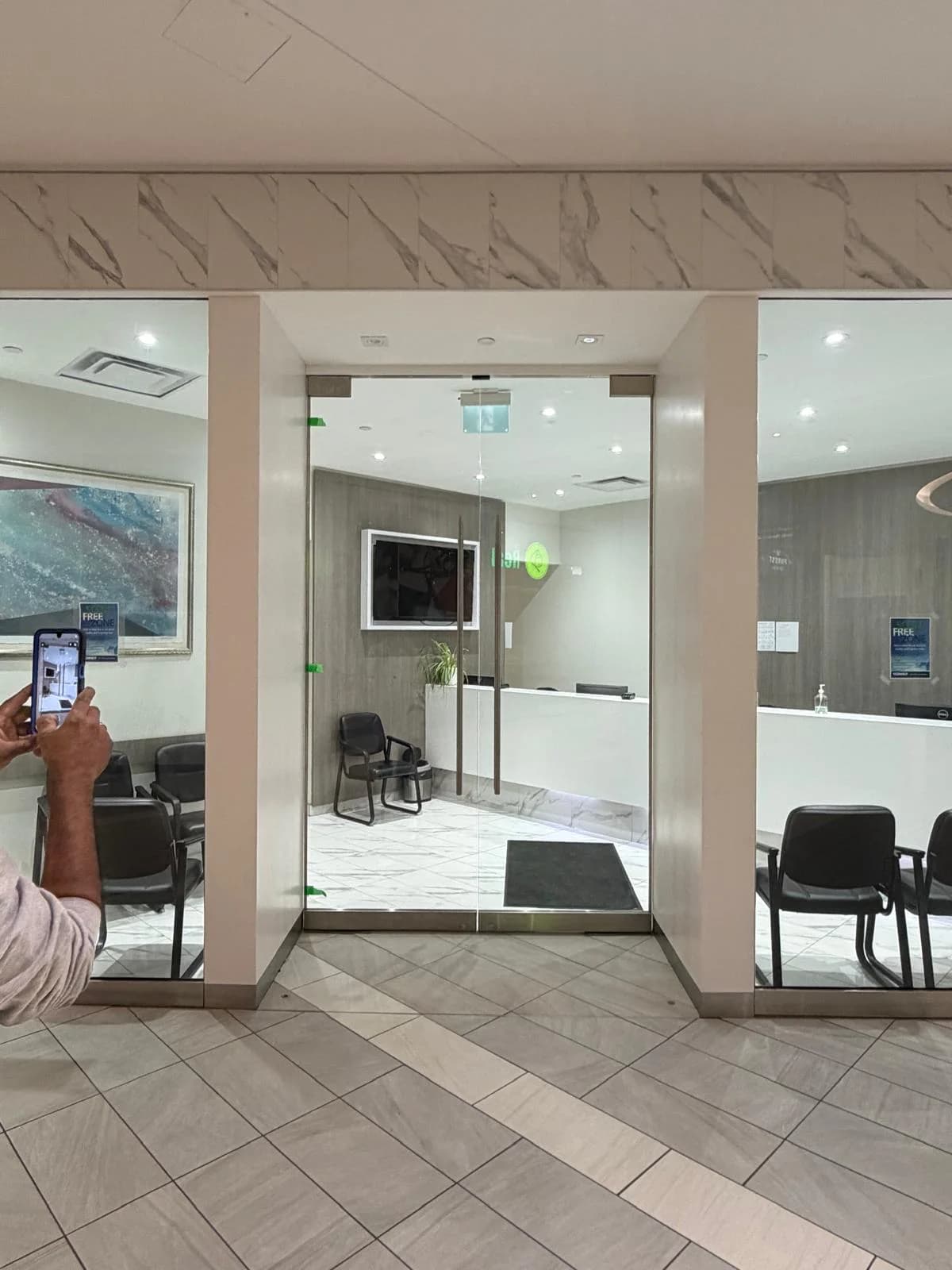
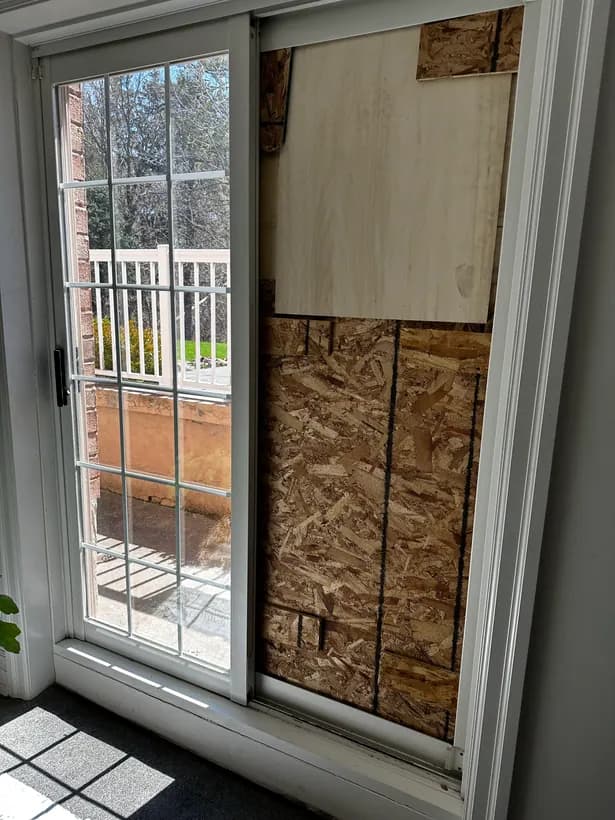
You do not have to organise the repair documentation alone. With our storefront glass and patio door glass work, we provide an official damage and repair report, supporting photographs and an itemised quote or invoice at no extra charge. The report records our repair assessment and the work carried out; it is not an insurer's coverage decision.
We stay available throughout the claim process to explain the repair records and respond to your insurer's repair-related questions, including requests during reimbursement review. Your insurer decides whether the claim is covered and how much it pays under your policy. We support the repair side of your claim; we do not provide legal or policy-coverage advice.
If this happened to you recently
Call our 24/7 emergency service for immediate dispatch to secure the property, and contact your insurer promptly for instructions. The Insurance Bureau of Canada's claims checklist also covers safe documentation and keeping receipts. We can help document the repair, but only your insurer can confirm coverage and reimbursement.