Identify what creates the privacy effect
Patterned glass replacement begins by identifying the material in the opening. Reeded glass has a repeated linear texture. Other rolled patterns have different shapes and levels of obscuration. A frosted appearance may come from an etched surface, another manufactured finish or a film applied to otherwise clear glass. Those constructions are not interchangeable, even when they look similar from a distance.
Tell us whether the damaged panel is in a door, fixed screen, window or insulated unit. Include a safe overview photograph and a closer view of the pattern if accessible. We check the existing construction before recommending a replacement. Door N Window replaces patterned, reeded and frosted glazing across Toronto and the GTA, with the scope based on the actual opening rather than a generic privacy glass label.
Match the pattern and its direction
The direction of a linear pattern affects the finished appearance. A panel with vertical reeds will not look the same when the replacement is rotated horizontally. Record the intended orientation relative to the frame and neighbouring panes before fabrication. For repeated panels, the position of the texture and the view from each side can also matter to an acceptable match.
A pattern name alone may not identify its spacing, depth or clarity. Product ranges can change and older material may no longer be available. If the original cannot be established, discuss a sample or a clearly described alternative. We do not promise an exact match based only on a phone photograph. The decision should be made before a replacement is cut or processed, especially when it sits beside retained patterned glass.
Separate privacy from complete visual screening
Obscured glass can reduce the clarity of a view without making an opening opaque. Light, distance and the position of a person or object can change what is visible through it. For an office screen, consultation room or entrance sidelight, explain the privacy needed from both sides and under the lighting normally used. The same pattern may not meet every use equally well.
A sample can help assess appearance but does not justify a universal claim of complete privacy. If the purpose of the opening has changed, discuss that before selecting material. We can identify glazing options for the assessed frame and explain the proposed finish; the property contact should approve its suitability for the intended use. Decorative choice should not replace any safety or other required performance of the assembly.
Determine whether the glass is part of a sealed unit
Patterned or frosted glass may be a single pane or one layer of an insulated glass unit. Clouding between panes is different from dirt in an exposed texture. Replacing an insulated unit requires its complete construction to be identified, including dimensions, thickness, spacer arrangement and any relevant coating or safety glazing. An exposed pattern cannot establish all of those details by itself.
Our window glass replacement service covers related window unit work. Where a textured pane is part of a sealed assembly, the replacement proposal should state the construction rather than suggest a surface treatment will repair an internal seal problem. Tell us which surfaces can be cleaned and where the clouding remains, without dismantling the window to investigate.
Keep door glazing suitable for the opening
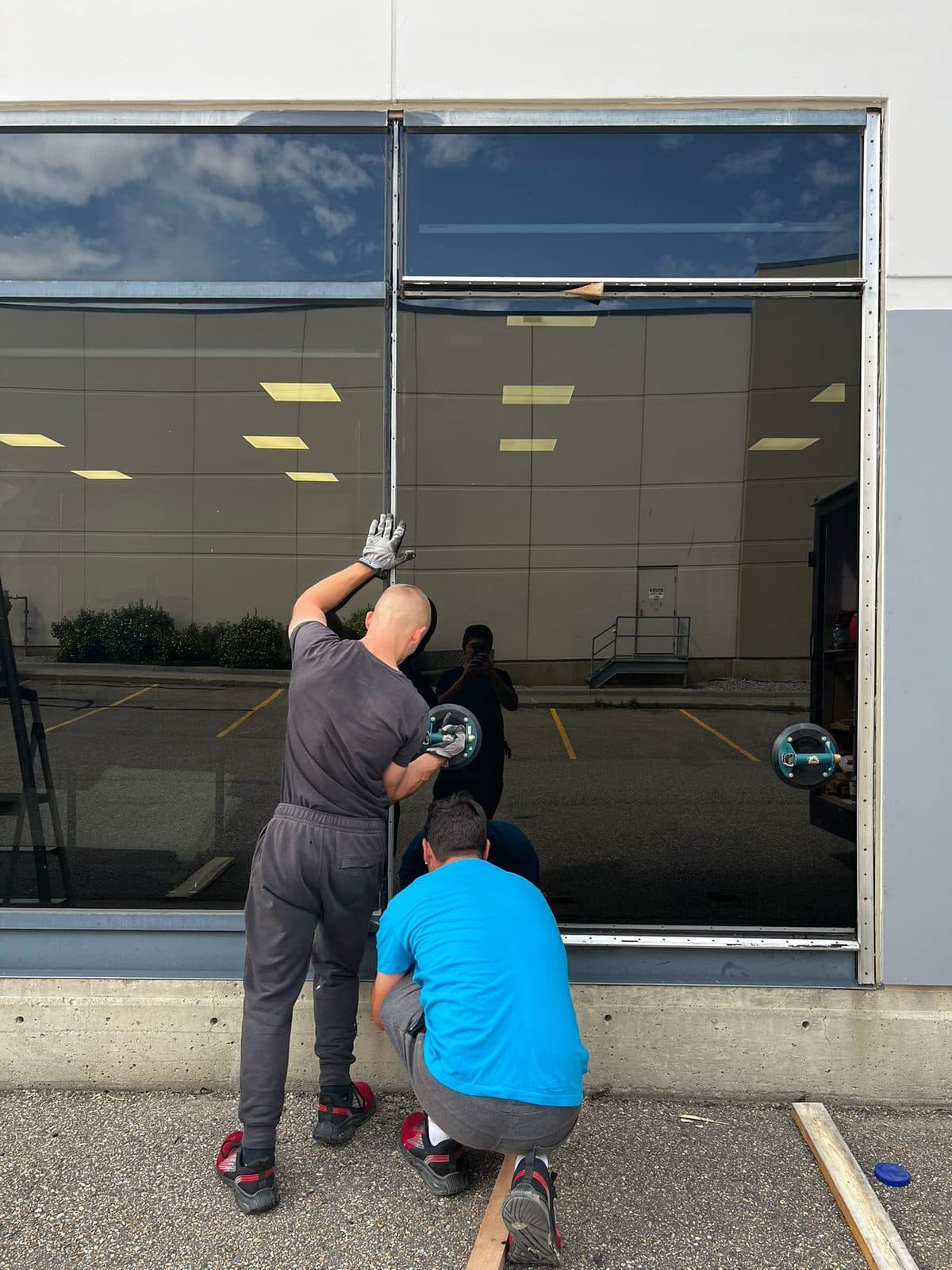
Glass in a moving door needs consideration of the complete leaf and its retaining system. Panel dimensions, thickness, weight, edge support and applicable safety requirements influence the order and installation. The attractive side of a sample does not establish whether that material is suitable for a particular door. Existing markings and product records should be retained where available.
If the door drags, rattles or closes unevenly, mention those symptoms as well as the glass damage. Our door glass replacement service considers related glazing work in door leaves. Fitting a new panel should not hide a loose retaining component or leave an unresolved support fault. We separate glass replacement from any additional mechanical repair needed so the property contact can approve the complete scope.
Check the frame before ordering a panel
The retained frame may contain beads, stops, gaskets, setting blocks or other system specific parts. Those components influence the final fabrication size and support. The visible opening is not always the size to order. The survey records the details needed to fit the replacement without forcing it into an unsuitable rebate or assuming that all surrounding parts are reusable.
Damaged timber, distorted metal or missing retaining pieces should be identified in the proposal. If concealed damage becomes visible only when the old glazing is removed, explain what decision will be needed before additional work. A pattern match does not solve a frame problem. The aim is an agreed replacement installed in a suitable opening, with retained and replaced components made clear.
Compare etched, textured and applied finishes honestly
Etched and rolled finishes are features of the glass surface, while applied film is a separate layer. Each may require different handling and care. The replacement should be described accurately so a frosted film is not presented as a particular manufactured glass product. If changing the finish is proposed, confirm what is changing and how that affects appearance on both sides of the panel.
For manufacturer background, Pilkington describes its range of texture glass. The range illustrates that patterned glazing comes in different constructions and privacy levels. A manufacturer's catalogue is a reference for selecting material, not a promise that every product is available for your size, location or opening. Availability and processing requirements must be confirmed for the order.
Prepare a useful matching request
Photograph the full panel, an adjacent retained pane and any readable corner markings from a safe position. Include whether the pattern is vertical or horizontal and which side feels textured, if already known without touching damaged glass. Say whether the goal is to match the original or choose a new appearance. Do not remove a cracked panel as a sample or rub a damaged surface to make the texture show more clearly.
If a loose sample or original product record is already available, mention it when arranging assessment. A household description such as ribbed, rain or satin can help begin the conversation, but should not be treated as a final product code. We confirm the material and preparation through the survey and ordering process. Any uncertainty about a discontinued pattern should be visible before the property contact approves fabrication.
Plan safe removal and installation
Cracked patterned glass still presents a handling risk even where the texture makes the crack less obvious. Keep people away from the affected pane and avoid operating an unstable glazed door. Tell us whether the opening is at an entrance, beside a busy route or inside an occupied business. Safe access and protection of nearby surfaces form part of planning the work.
After fitting, review the agreed orientation, finish and retained frame condition. On a moving door, the completed scope should include the relevant movement and retention checks. Keep the product description for future matching needs. A useful record identifies which panel was replaced and what glass was selected without inventing performance claims or suggesting that unrelated retained panes were also renewed.
Care for the new surface without changing its finish
Ask for care instructions for the actual replacement product. Abrasive treatment can alter a decorative or coated surface; a method used on plain glass should not be assumed suitable for every finish. Avoid experimenting on a visible area to remove a mark. Identify whether it is surface dirt, an applied layer or damage before choosing the next step.
For other damaged panes, our glass replacement service provides the general route to assessment. Patterned work adds a matching and orientation decision to that process. We explain the selected glass, installation scope and any limitation before approval, so the finished opening is based on a clear choice rather than an unverified promise of identical appearance.