
Maintenance
5 min readUpdated
Cracked or missing sealant can let air and water around a window frame. Learn what an inspection checks and how a replacement joint is prepared.
At a glance
- Failed perimeter joints can let air and water into the building.
- The source of a leak should be checked before resealing.
- A lasting repair starts with removing failed material and preparing the joint.
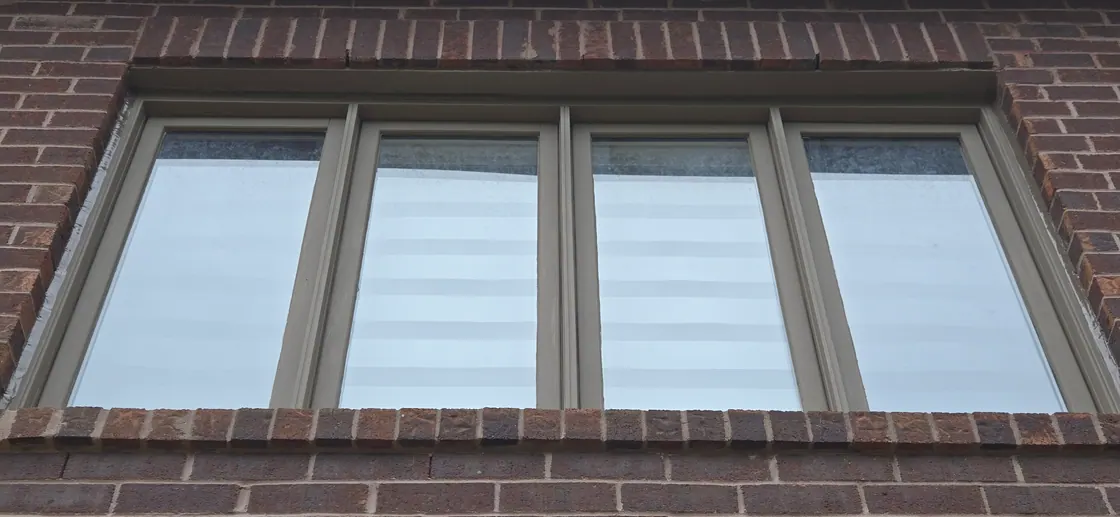
A cracked or missing seal around a door or window can let in drafts and moisture. Perimeter caulking helps seal the joint between the frame and the wall; it is not a structural repair. An inspection should check the sealant, drainage and condition of the materials beneath it.
What caulking protects
Perimeter sealant helps limit air and water passing through joints that are designed to be sealed, such as certain frame-to-wall connections. It is one part of the installation, alongside the window's flashing, drainage and other weather-protection details. Not every visible gap should be filled. Weep holes and intended drainage paths must remain open; the right sealing detail depends on the window and wall assembly.
This is different from weatherstripping, which seals the moving parts of a door or window against the frame. Caulking seals the frame itself against the building. Both fail in different ways and both need checking, but they are not the same job and one does not substitute for the other.
How Ontario winters affect caulking
Temperature changes and movement between materials can stress exterior joints. Sun exposure, product compatibility, surface preparation and the condition of the surrounding materials also affect how a joint performs. Cracking or separation should be inspected rather than assumed to be an unavoidable winter problem. The sealant manufacturer's application and curing requirements matter when planning work in cold or wet conditions.
What happens when it fails
A failed joint can allow air leakage or water entry, but a visible crack does not establish where a leak starts or how far it extends. Water around a window may involve the joint, flashing, drainage, the frame or another part of the surrounding wall. Persistent moisture can damage nearby materials, so recurring water entry or staining deserves an assessment. Simply applying another bead over the visible area may leave the actual cause unresolved or obstruct drainage.
What professional caulking includes
A resealing assessment should identify which joints need work and whether damaged materials or drainage problems need attention first. Preparation generally includes removing failed sealant and residue as required by the replacement system, then cleaning and preparing the surfaces. Backing material or primer may be needed, depending on the joint and the chosen product. Sealant compatibility, joint design and application conditions should follow the relevant manufacturer instructions. Window caulking explains our assessment and resealing service.
When to renew caulking
There is no single replacement interval for every home or product. Follow the window and sealant manufacturer's maintenance guidance, and look for visible gaps, separation, cracking or recurring moisture during routine property checks. Arrange an assessment when these appear rather than relying on the age of the sealant alone. A new bead is not a substitute for repairing damaged material or correcting the cause of repeated failure.
The energy efficiency case, in real terms
Sealing an identified air-leakage path can help reduce drafts. That is different from the insulating performance of the glass itself. Exterior caulking does not repair a failed seal between glass panes, and a draft may also involve weatherstripping or a sash that does not close evenly. Window repair and a perimeter-joint assessment can help distinguish those issues. Any effect on energy use depends on the building and the source of the problem; a particular bill reduction is not guaranteed.
For commercial properties
Commercial openings may have different glazing systems, joints and access requirements from residential windows. Discuss the affected openings, symptoms and site access when booking so the appropriate assessment can be planned. Commercial door repair covers door and hardware problems that may need attention alongside exterior sealing; these should not be assumed to have the same cause or service life.
When to arrange an inspection
If you notice damaged sealant, recurring water entry or an unexplained draft, contact us to arrange an assessment. Tell us where it happens and whether it follows rain or wind. A photo taken safely from ground level can help explain the concern, but it does not replace an on-site check. We discuss the recommended work and quote before any paid work begins.