
Guides
5 min readUpdated
Fogged glass, stuck cranks and drafts can have different causes. A guide to common window problems and the factors that determine whether repair or replacement makes sense.
At a glance
- Fog between panes usually points to a failed sealed unit.
- Cranks, balances and seals may be replaced without changing the whole window.
- An inspection helps separate a hardware repair from a full replacement.
A fogged pane, a stiff crank and a draft do not necessarily need the same repair. Some problems develop gradually; broken glass or a window that will not close securely needs prompt attention. This guide explains common symptoms and the checks that help decide whether to repair a component or replace the window.
Fog between the panes can indicate a failed sealed unit
Moisture trapped between the panes of an insulated glass unit is different from condensation on the room-side or outdoor surface. It can indicate that the edge seal has failed, and surface cleaning will not reach it. The unit may be replaceable without changing the whole window, depending on the condition and design of the sash and frame. An assessment should check both rather than assume the frame is sound. Foggy glass replacement explains sealed-unit replacement options.
Stuck windows and failed cranks need a hardware check
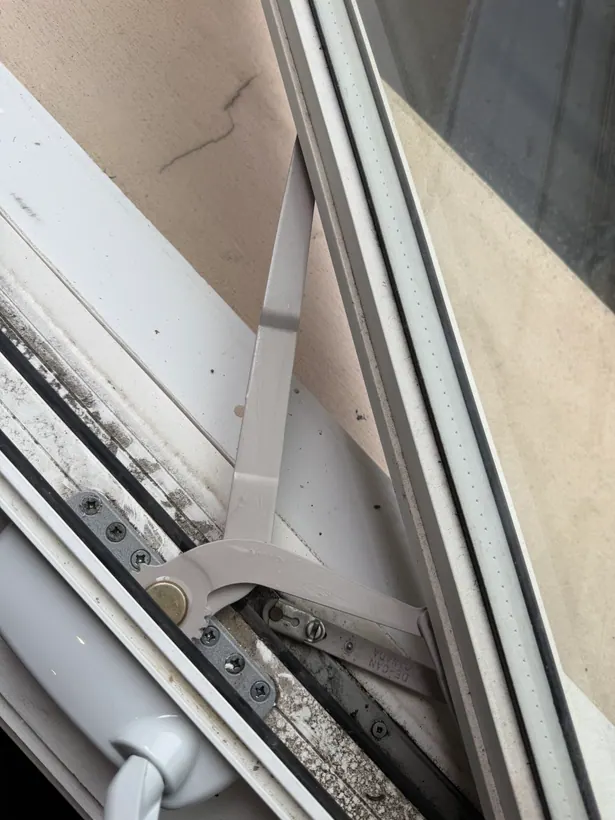
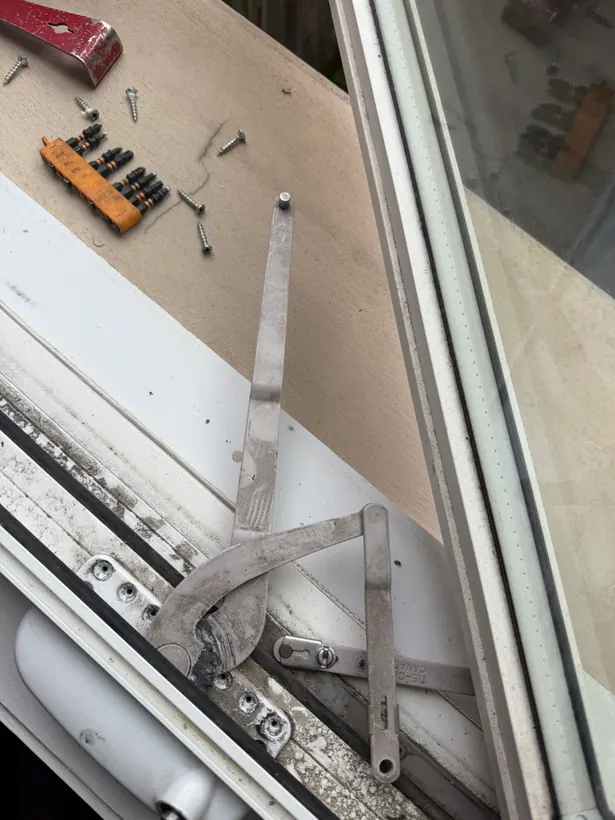
On a hung window, a balance problem can make the sash difficult to lift or keep open. On a casement window, the crank, operator arm, hinges or alignment may need attention. A symptom alone does not establish which part has failed. Stop using a sash that will not stay safely open, and do not force a jammed mechanism. Window repair starts with checking the window and identifying suitable parts; the repair and number of visits depend on its condition and parts availability.
Common places to check for drafts
Worn weatherstripping, a sash that does not close evenly, and gaps around the frame are possible sources of air leakage. The glazing seals and surrounding installation may also need inspection. Identifying the source matters: adding exterior caulk will not fix every draft, a worn crank or moisture trapped between panes. Window caulking covers assessing and repairing suitable exterior joints, with the window's drainage paths and installation requirements taken into account.
Check seals and operation as part of regular maintenance
Follow the window manufacturer's care guidance and watch for changes in how the window closes, locks and seals. Cracked sealant, recurring water entry or a new draft deserves inspection rather than being dismissed as normal winter behaviour. The cause may involve ageing materials, movement, damage or installation, and the right repair depends on what the inspection finds.
Security is a repair issue as much as a locking issue
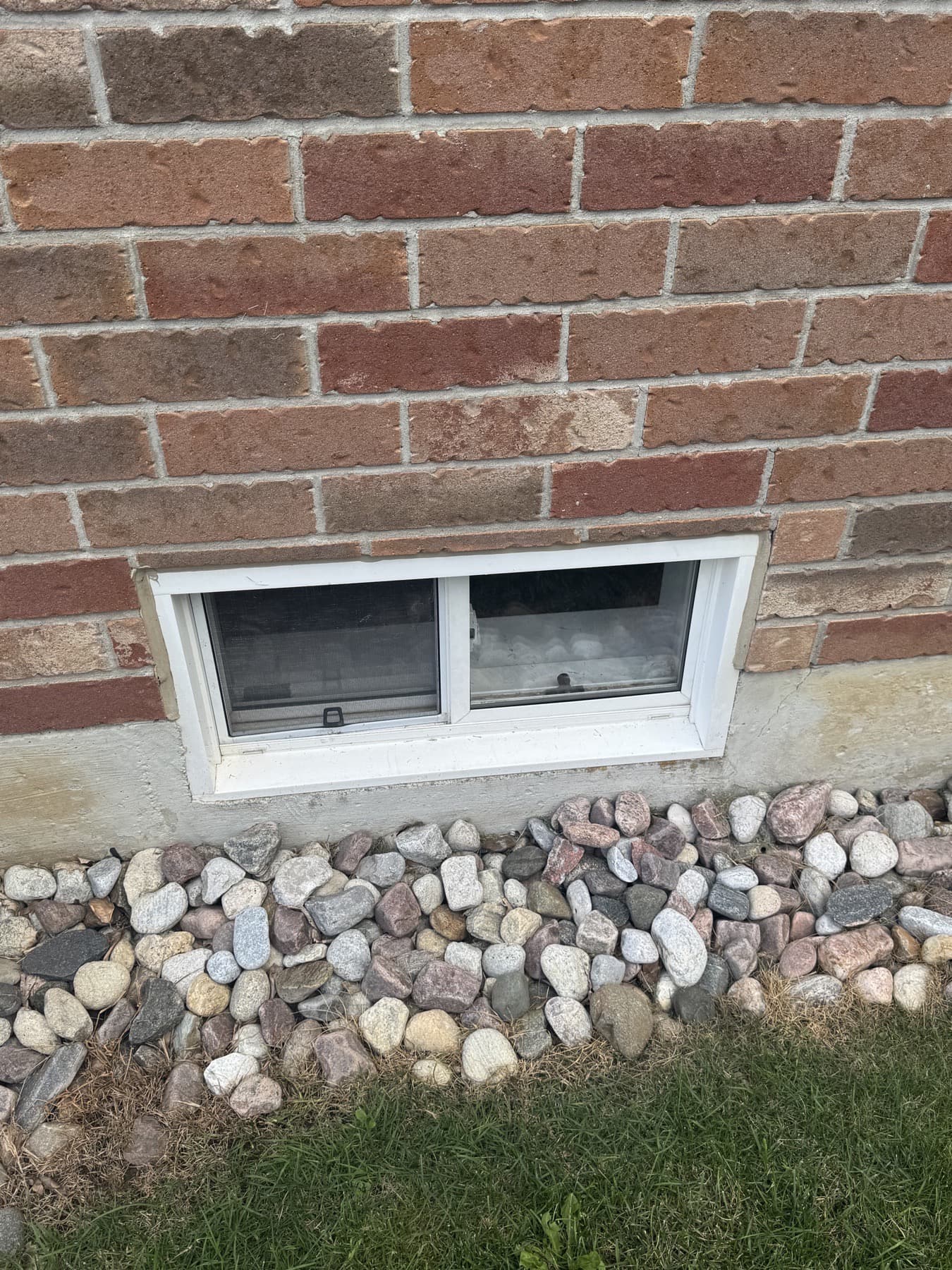
A window lock that no longer catches, a sash that can be lifted from outside because the frame has warped away from the strike, or a crank mechanism so worn the window cannot be closed fully, are all security gaps that get treated as minor annoyances until someone tests them from the wrong side. If your home's ground-floor windows do not lock securely, that is worth fixing on the same priority as a door that will not latch. Lock and handle replacement covers window hardware as well as door hardware.
When replacement may make sense
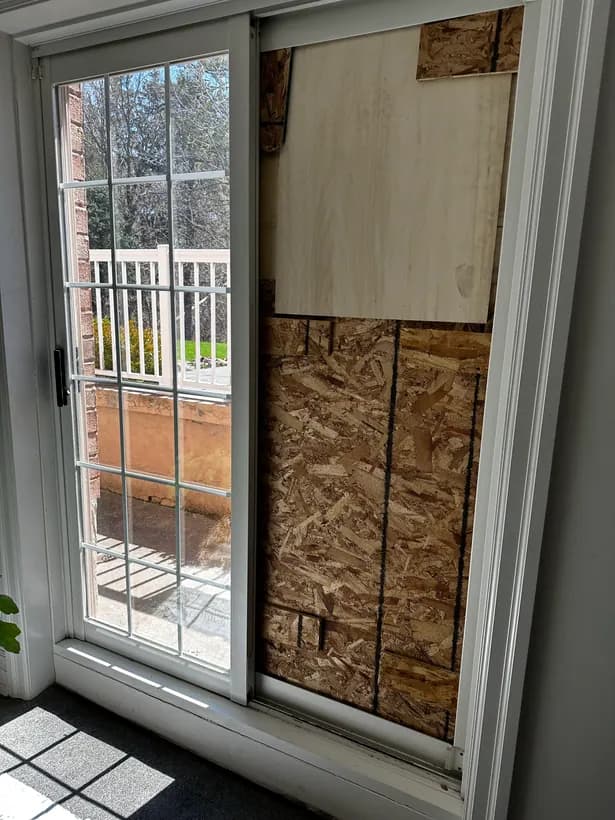
Replacement may be appropriate when the frame is extensively damaged, suitable replacement parts are unavailable, or you want to change the size or style of the opening. A fogged pane, stiff crank or sealing problem may be repairable without replacing the whole window. An on-site assessment helps establish the cause and compare your options before spending on a full window replacement. See window replacement for the assessment and installation process.
Why seals and drafts matter
A failed sealed unit can lose performance, but fogging alone does not tell you how much insulation has been lost. Air leaking around a frame is a separate problem. Checking both the glass unit and the perimeter seals helps identify which repair is needed, without promising a particular energy saving.
For commercial buildings
Commercial windows and storefront glazing need an assessment of their glass, framing, hardware and access requirements. The repair approach may differ from a residential window. We discuss scheduling and access with the business or property manager to help reduce disruption; the scope and timing depend on the opening and the work required.
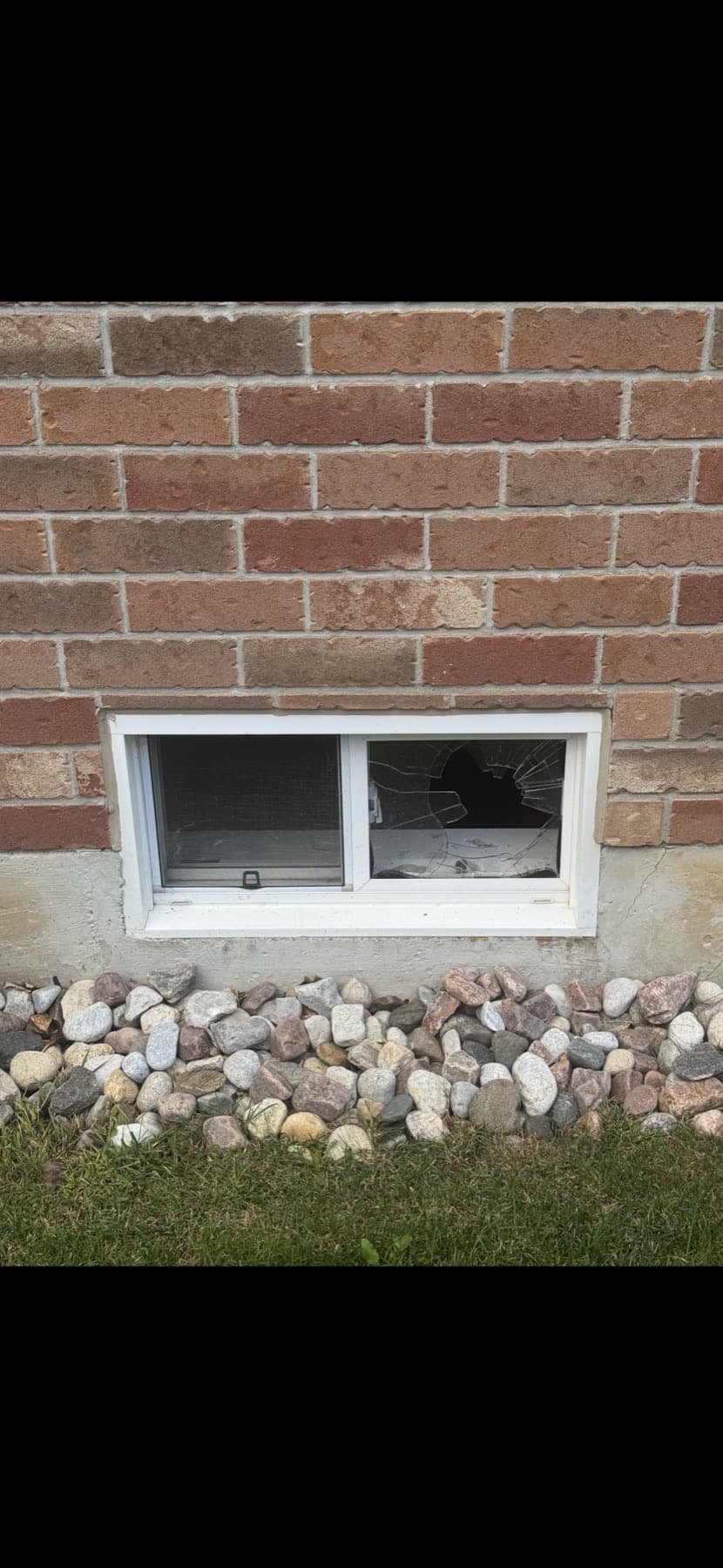
Not sure which repair you need? Contact us with a description and, if safe to take, a photo. We can arrange an assessment and explain the options before paid work begins. If broken glass or a window that will not close leaves your property unsecured, call for immediate emergency dispatch.